
Exploring the STM32F405VGT6V Microcontroller: A Powerhouse for Embedded Systems
Exploring the STM32F405VGT6V Microcontroller: A Powerhouse for Embedded Systems
Introduction:\
The STM32F405VGT6V microcontroller is a versatile and powerful device that is widely used in the field of embedded systems. It combines high-performance processing capabilities with extensive connectivity options, making it an ideal choice for a wide range of applications. This blog post will dive into the details of the STM32F405VGT6V, exploring its features, architecture, programming capabilities, and applications. By the end of this article, you will have a comprehensive understanding of this microcontroller and how it can be leveraged to develop innovative embedded systems solutions.
I. Overview of the STM32F405VGT6V Microcontroller (150 words)\
The STM32F405VGT6V microcontroller is part of the STM32 series produced by STMicroelectronics. It is based on the ARM Cortex-M4 core, which provides advanced processing capabilities and efficient power consumption. The microcontroller operates at a clock frequency of up to 168 MHz and has various integrated peripherals and interfaces, including GPIO, UART, SPI, I2C, USB, and more. Its abundant memory resources, including flash memory and RAM, allow for the implementation of complex applications. Additionally, the STM32F405VGT6V supports various communication protocols such as Ethernet, CAN, and I2S, making it suitable for a wide range of applications.
II. Features of the STM32F405VGT6V Microcontroller (250 words)\
The STM32F405VGT6V microcontroller offers a plethora of features that enhance its performance and usability. These features include:
1. ARM Cortex-M4 Core: The microcontroller is based on the ARM Cortex-M4 core, which provides advanced processing capabilities, including a floating-point unit (FPU) for efficient signal processing.
2. Flash Memory and RAM: The STM32F405VGT6V microcontroller comes with a generous amount of flash memory and RAM, allowing for the storage and execution of complex applications.
3. Peripherals and Interfaces: The microcontroller offers a wide range of integrated peripherals and interfaces, such as GPIO, UART, SPI, I2C, USB, Ethernet, CAN, and I2S. These peripherals enable seamless communication and connectivity with external devices.
4. Flexible Clocking Options: The microcontroller supports various clock sources, allowing for flexible clocking configurations to suit different application requirements.
5. Power Regulation and Low Power Modes: The STM32F405VGT6V microcontroller features power regulation circuits that offer efficient power management. It also includes low power modes to optimize power consumption during idle or low-load scenarios.
6. Advanced Debugging and Development Tools: The microcontroller is compatible with a range of debugging and development tools, including integrated development environments (IDEs) and hardware debuggers, making it easier for developers to program and debug their applications.
III. Architecture of the STM32F405VGT6V Microcontroller (300 words)\
The STM32F405VGT6V microcontroller follows a Harvard architecture, which separates instruction and data memory. It incorporates a multi-layer bus architecture known as the Advanced High-Performance Bus Matrix (AHB Matrix) and the Advanced Peripheral Bus (APB) for efficient data transfer.
1. ARM Cortex-M4 Core: The microcontroller's core is based on the ARM Cortex-M4 architecture, which is known for its efficient and low-power operation. It features a 32-bit instruction set, efficient interrupt handling, and a high-performance pipeline.
2. Memory Architecture: The STM32F405VGT6V microcontroller has a single bank of flash memory for program storage and multiple banks of SRAM for data storage. The flash memory can be programmed and erased in sectors, providing flexibility for code updates.
3. Peripherals and Interfaces: The microcontroller integrates various peripherals and interfaces to cater to different application requirements. These peripherals include GPIOs for digital I/O, UARTs for serial communication, SPI and I2C for interfacing with external devices, USB for data transfer, Ethernet for networking, CAN for automotive applications, and I2S for audio data transfer.
4. DMA Controller: The STM32F405VGT6V microcontroller incorporates a Direct Memory Access (DMA) controller, which enables high-speed and efficient data transfer between peripherals and memory, reducing the workload on the core.
IV. Programming the STM32F405VGT6V Microcontroller (300 words)\
The STM32F405VGT6V microcontroller can be programmed using various programming languages, including C and assembly. Several development tools and IDEs, such as Keil MDK, IAR Embedded Workbench, and STM32CubeIDE, support the development and debugging of applications for this microcontroller.
1. Initial Setup: Before programming, it is necessary to set up the development environment by installing the required software and configuring the development board. This typically involves installing the IDE, connecting necessary hardware, and selecting the appropriate microcontroller variant.
2. Writing Code: Developers can write code for the STM32F405VGT6V microcontroller using C programming language. The microcontroller's datasheet, reference manual, and peripheral library provide valuable information on programming and configuring the microcontroller's peripherals and interfaces.
3. Compiling and Building: Once the code is written, it needs to be compiled using the selected IDE or toolchain. The compiler converts the code into machine-readable format and generates an executable file.
4. Flashing the Microcontroller: The compiled code needs to be flashed onto the STM32F405VGT6V microcontroller's flash memory. This is typically achieved using a programmer or debugger connected to the development board.
5. Debugging and Testing: After flashing the code, debugging tools can be used to identify and fix any programming errors or issues. Breakpoints, watchpoints, and live variable monitoring help developers analyze the code's behavior and ensure its correctness.
6. Optimizations and Fine-Tuning: As the application evolves, developers can optimize code performance, memory usage, and power consumption by employing various optimization techniques, such as code refactoring and utilizing the microcontroller's advanced features.
V. Applications of the STM32F405VGT6V Microcontroller (250 words)\
The STM32F405VGT6V microcontroller finds applications across various industries and domains, including:
1. Industrial Automation: Due to its robustness, high performance, and extensive peripherals support, the STM32F405VGT6V is widely used in industrial automation systems. It can be employed for tasks such as motor control, sensor interfacing, data acquisition, and communication.
2. Internet of Things (IoT): The microcontroller's connectivity options, such as Ethernet, UART, SPI, and I2C, make it suitable for IoT applications. It can be used in smart home devices, remote monitoring systems, and industrial IoT solutions.
3. Automotive: The STM32F405VGT6V microcontroller is suitable for automotive applications, especially those that require CAN bus communication. It can be utilized in engine control units, body control modules, and infotainment systems.
4. Medical Devices: The microcontroller's high processing power, low power consumption, and extensive connectivity options make it suitable for medical devices such as patient monitoring systems, medical imaging equipment, and diagnostic instruments.
5. Consumer Electronics: The STM32F405VGT6V microcontroller can be found in various consumer electronic devices, including smart wearables, home automation systems, audio/video equipment, and gaming consoles.
Conclusion:\
The STM32F405VGT6V microcontroller is a powerful and versatile device that offers a wide range of features and capabilities. With its high-performance processing, extensive connectivity options, and rich peripheral set, it serves as an excellent choice for developers working on embedded systems solutions. Whether it's industrial automation, IoT, automotive, medical devices, or consumer electronics, the STM32F405VGT6V provides the necessary tools and flexibility to meet the demands of diverse applications. As the field of embedded systems continues to evolve, the STM32F405VGT6V microcontroller remains at the forefront, empowering developers to create innovative and efficient solutions.
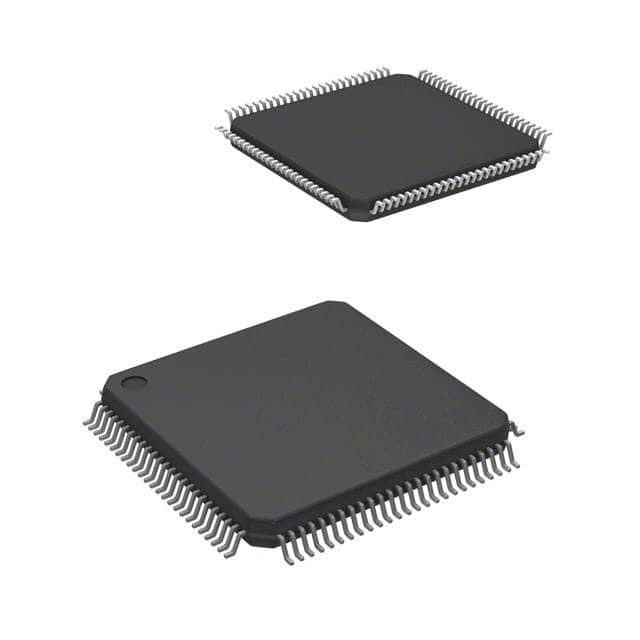
STM32F405VGT6V
- Part Number :
- STM32F405VGT6V
- Manufacturer :
- STMicroelectronics
- Description :
- IC MCU 32BIT 1MB FLASH 100LQFP
- Datasheet :
-
 STM32F405VGT6V.pdf
- Unit Price :
- Request a Quote
- In Stock :
- 2384
- Lead Time :
- To be Confirmed
- Quick Inquiry :
- - + Add To Cart
Request a Quote
STM32F405VGT6V Specifications
- Package/Case:
- 100-LQFP
- Packaging:
- Tray
- Series:
- STM32F4
- ProductStatus:
- RoHS
- CoreProcessor:
- 168MHz
- CoreSize:
- 192K x 8
- Speed:
- 32-Bit
- Connectivity:
- -
- Peripherals:
- Active
- NumberofI/O:
- Brown-out Detect/Reset, DMA, I²S, LCD, POR, PWM, WDT
- ProgramMemorySize:
- CANbus, EBI/EMI, I²C, IrDA, LINbus, SPI, UART/USART, USB OTG
- ProgramMemoryType:
- Surface Mount
- EEPROMSize:
- 82
- RAMSize:
- ARM® Cortex®-M4
- Voltage-Supply(Vcc/Vdd):
- A/D 16x12b; D/A 2x12b
- DataConverters:
- Internal
- OscillatorType:
- 1MB (1M x 8)
- OperatingTemperature:
- FLASH
- MountingType:
- -40°C ~ 85°C (TA)
STM32F405VGT6V Guarantees

-
Service Guarantees
We guarantee 100% customer satisfaction.
Our experienced sales team and tech support team back our services to satisfy all our customers.

-
Quality Guarantees
We provide 90 days warranty.
If the items you received were not in perfect quality, we would be responsible for your refund or replacement, but the items must be returned in their original condition.
Certified Quality
 View the Certificates