EVALSTGAP2HDM: Understanding the Gap Analysis Process in a Human Resource Development Model
Introduction:\
In today's competitive business landscape, organizations recognize the importance of effective human resource development to drive growth, productivity, and employee engagement. One crucial aspect of this process is conducting gap analyses to identify the current state and future needs of an organization's workforce. In this blog post, we will explore the EVALSTGAP2HDM model, a comprehensive framework that provides a structured approach to conducting gap analysis in human resource development.
Section 1: What is EVALSTGAP2HDM?\
The EVALSTGAP2HDM model stands for Evaluation of Strategic Gap Analysis Process in a Human Resource Development Model. It is a systematic approach that helps organizations assess the skills, competencies, and capabilities required by their workforce to achieve strategic objectives. The model consists of six stages that guide organizations through the gap analysis process, namely: Establish goals, Values and policies, Analyze current state, List and evaluate gaps, Select strategies, and Monitor progress.
Section 2: The Importance of Gap Analysis in HRD\
Effective gap analysis is crucial in human resource development as it enables organizations to align their workforce with their strategic goals and objectives. By identifying existing gaps in skills, knowledge, and competencies, organizations can design targeted training and development programs to bridge those gaps and improve overall performance. Gap analysis also helps organizations identify talent gaps for succession planning and ensure a robust pipeline of skilled employees to drive the organization's future growth.
Section 3: The Stages of EVALSTGAP2HDM
1. Establish Goals: In this stage, organizations define their strategic objectives, identify the key performance indicators (KPIs) that measure success, and set specific goals for their human resource development efforts.
2. Values and Policies: This stage focuses on aligning the organization's values, culture, and policies with its strategic goals. It ensures that HRD initiatives are in line with the organization's overall vision and mission.
3. Analyze Current State: In this stage, organizations assess their current workforce capabilities, including skills, knowledge, and competencies. This analysis helps identify areas where the organization is strong and areas where improvements are needed.
4. List and Evaluate Gaps: Based on the analysis of the current state, organizations list and evaluate the gaps between the desired skills and the existing capabilities. This stage helps prioritize the areas of development that will have the most significant impact on the organization's strategic goals.
5. Select Strategies: Once the gaps are identified, organizations develop strategies to bridge those gaps. This may include training and development programs, recruitment efforts, or partnerships with external organizations to access specialized skills.
6. Monitor Progress: The final stage of EVALSTGAP2HDM involves monitoring the progress of the implemented strategies. Regular evaluation and feedback help organizations assess the effectiveness of their HRD initiatives and make necessary adjustments to achieve desired results.
Section 4: Case Study: Applying EVALSTGAP2HDM in a Company X\
To provide a practical understanding of the EVALSTGAP2HDM model, let's consider a case study of Company X, a manufacturing organization looking to expand into new markets. By conducting a gap analysis using the EVALSTGAP2HDM model, Company X identifies gaps in specific technical skills required for expansion. Based on this analysis, the company designs a targeted training program to upskill its workforce, ensuring they have the necessary capabilities to succeed in the new markets.
Section 5: Best Practices for Successful Gap Analysis\
To maximize the effectiveness of the gap analysis process in HRD, here are some best practices to follow:
1. Define Clear Objectives: Ensure alignment between organizational goals and HRD initiatives.
2. Involve Stakeholders: Engage key stakeholders, including employees, managers, and executives, to ensure buy-in and support for the gap analysis process.
3. Gather Accurate Data: Collect reliable data on current skills, competencies, and organizational needs to drive informed decision-making.
4. Prioritize Development Areas: Focus on areas with the greatest impact on the organization's strategic goals and allocate resources accordingly.
5. Continuously Monitor Progress: Regularly evaluate and monitor the effectiveness of HRD initiatives to ensure they are delivering the desired results.
Section 6: Conclusion:\
The EVALSTGAP2HDM model provides organizations with a robust framework to conduct comprehensive gap analyses in human resource development. By following the six stages of the model and incorporating best practices, organizations can align their workforce with their strategic goals, address skills gaps, and drive overall organizational success. Through continuous evaluation and monitoring, organizations can ensure their HRD initiatives remain effective and adaptive to meet evolving business needs.
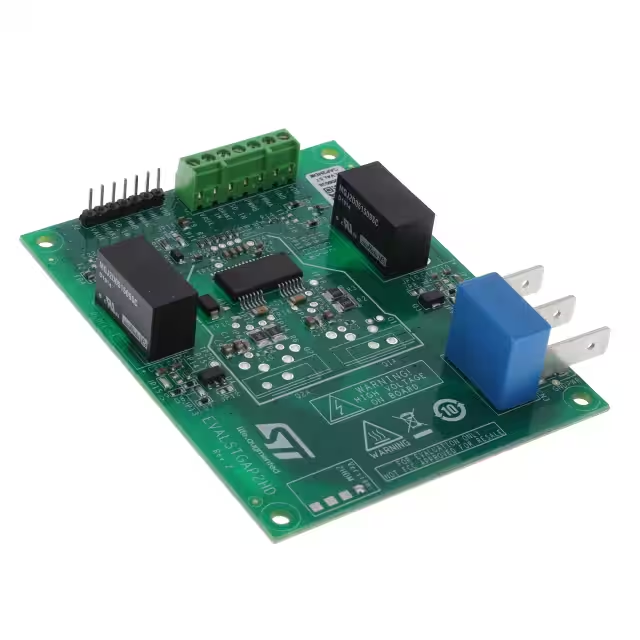
EVALSTGAP2HDM
- Part Number :
- EVALSTGAP2HDM
- Manufacturer :
- STMicroelectronics
- Description :
- EVAL BOARD FOR STGAP2HDM
- Datasheet :
-
 EVALSTGAP2HDM.pdf
- Unit Price :
- Request a Quote
- In Stock :
- 2526
- Lead Time :
- To be Confirmed
- Quick Inquiry :
- - + Add To Cart
Request a Quote
EVALSTGAP2HDM Specifications


EVALSTGAP2HDM Guarantees

-
Service Guarantees
We guarantee 100% customer satisfaction.
Our experienced sales team and tech support team back our services to satisfy all our customers.
-
Quality Guarantees
We provide 90 days warranty.
If the items you received were not in perfect quality, we would be responsible for your refund or replacement, but the items must be returned in their original condition.
Certified Quality
 View the Certificates