
The Importance of Evaluating Program Effectiveness: EVAL6924U Blog
Introduction
Evaluating program effectiveness is a crucial aspect of any organization or institution's success. It helps measure the impact and outcomes of various initiatives, allowing stakeholders to make informed decisions and improve their programs. In this blog post, we will explore the significance of program evaluation and discuss the key steps involved in conducting a comprehensive and effective evaluation. Understanding how to evaluate program effectiveness is particularly relevant in the context of EVAL6924U, a course aimed at preparing individuals for careers in program evaluation.
1. Defining Program Evaluation
Program evaluation is a systematic process of assessing the design, implementation, and outcomes of a program in order to determine its effectiveness. It involves collecting and analyzing data to answer important questions about a program's efficiency, appropriateness, and impact. EVAL6924U is a unique opportunity to delve deeper into the methods and techniques used in program evaluation and understand its utmost significance in driving positive change.
2. The Need for Program Evaluation
Evaluation of programs facilitates evidence-based decision-making, helping stakeholders understand what works and what doesn't. It provides valuable insights into program strengths and weaknesses, identifies areas for improvement, and informs future planning and resource allocation. By critically assessing a program's effectiveness, stakeholders become better equipped to address challenges and make informed adjustments along the way.
3. Key Steps in Conducting Program Evaluation
a. Identifying Evaluation Questions: The first step in program evaluation is to clearly define the questions that need to be answered. These questions should align with the program's goals and objectives, focusing on key areas such as impact, sustainability, and cost-effectiveness.
b. Developing an Evaluation Plan: This involves designing a comprehensive evaluation plan that outlines the methods, data collection strategies, and analysis techniques to be used. The plan should be tailored to the unique characteristics and context of the program being evaluated.
c. Collecting Data: Data collection is a critical phase in program evaluation. It can include various methods such as surveys, interviews, focus groups, and document reviews. Different stakeholders may be involved in data collection to ensure a holistic perspective.
d. Analyzing Data: Once the data is collected, it needs to be analyzed to draw meaningful conclusions. Statistical analysis, content analysis, and qualitative techniques can be employed to examine the data and uncover patterns, trends, and relationships.
e. Interpreting and Reporting Findings: The final step is to interpret the findings in the context of the evaluation questions. This involves summarizing the results, identifying strengths and weaknesses, and providing recommendations for improvement. Clear and concise reporting is crucial to ensure that the evaluation findings are effectively communicated and utilized.
4. Challenges and Considerations in Program Evaluation
While program evaluation is essential, it is not without challenges. Evaluators need to consider factors such as limited resources, ethical considerations, cultural sensitivity, and stakeholder engagement throughout the evaluation process. Moreover, the timing, scope, and budget of the evaluation should be carefully planned to maximize its impact and utilization.
5. The Role of EVAL6924U in Preparing Evaluators
EVAL6924U plays a crucial role in equipping individuals with the knowledge and skills necessary to conduct effective program evaluations. Through this course, students gain hands-on experience in designing evaluations, analyzing data, and interpreting results. They learn about different evaluation models, methods, and tools, and understand how to adapt them to various program contexts. EVAL6924U provides a comprehensive understanding of the program evaluation process, preparing evaluators to make a positive impact in their respective fields.
Conclusion
Program evaluation is a systematic and essential process that helps assess the effectiveness of various initiatives. EVAL6924U, as a course focused on program evaluation, equips individuals with the necessary skills and knowledge to conduct evaluations successfully. By evaluating program effectiveness, organizations and institutions can make data-driven decisions, optimize resources, and drive positive change. Through the steps outlined in this blog post, evaluators can ensure that their evaluations are comprehensive, rigorous, and impactful.
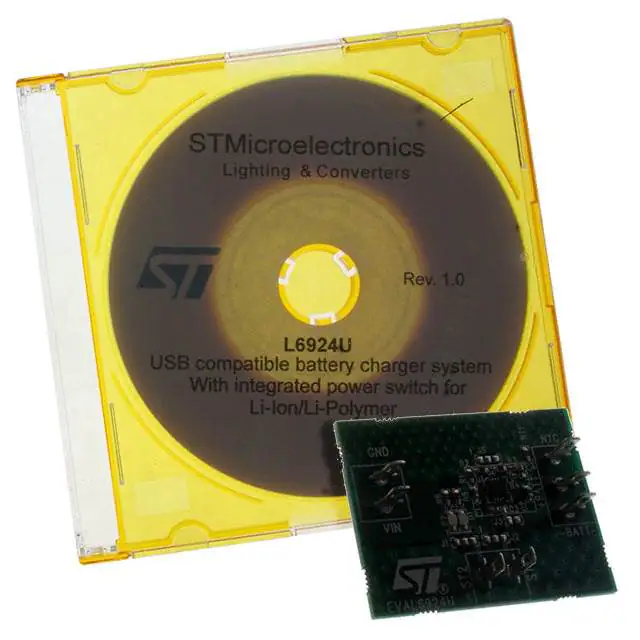
EVAL6924U
- Part Number :
- EVAL6924U
- Manufacturer :
- STMicroelectronics
- Description :
- BOARD EVAL FOR L6924UTR
- Datasheet :
-
 EVAL6924U.pdf
- Unit Price :
- Request a Quote
- In Stock :
- 3644
- Lead Time :
- To be Confirmed
- Quick Inquiry :
- - + Add To Cart
Request a Quote
EVAL6924U Specifications









EVAL6924U Guarantees

-
Service Guarantees
We guarantee 100% customer satisfaction.
Our experienced sales team and tech support team back our services to satisfy all our customers.

-
Quality Guarantees
We provide 90 days warranty.
If the items you received were not in perfect quality, we would be responsible for your refund or replacement, but the items must be returned in their original condition.
Certified Quality
 View the Certificates