

Advancements in Transformer Technology and Their Implications for Industrial Automation
Introduction
In today's rapidly evolving industrial landscape, automation has become the driving force behind increased efficiency and productivity. Advancements in technology, particularly in the realm of transformers, are poised to revolutionize industrial automation. This article delves into the recent developments in transformer technology and their profound implications for the world of industrial automation.
The Evolution of Transformers
Transformers have been a fundamental component of electrical systems for over a century. Their primary role is to step up or step down voltage levels, ensuring efficient power transmission and distribution. Traditionally, transformers have been bulky and passive devices. However, recent advancements have ushered in a new era of smart and adaptable transformers.
Smart Transformers: Enhancing Efficiency
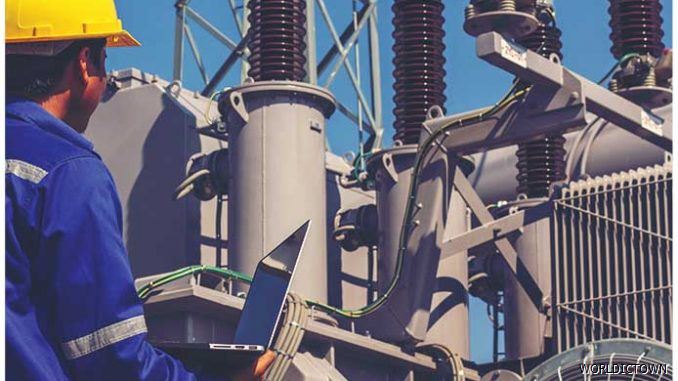
Smart transformers, also known as intelligent or digital transformers, are equipped with advanced sensors and monitoring systems. These transformers can continuously assess the health of the electrical grid and make real-time adjustments to optimize power flow. This level of automation not only enhances efficiency but also reduces downtime and maintenance costs.
Transformer Materials: Lighter and More Efficient
One of the significant developments in transformer technology is the use of new materials. For instance, the adoption of amorphous metal cores has led to lighter and more energy-efficient transformers. These materials reduce energy losses, making transformers more environmentally friendly and cost-effective.
Integration with Industrial Automation
The integration of advanced transformers into industrial automation systems has far-reaching implications. Here's how these innovations are poised to transform the industrial landscape:
Increased Reliability
Smart transformers can predict and prevent electrical faults, ensuring a more reliable power supply for industrial processes. This increased reliability minimizes production interruptions and safeguards valuable equipment.
Energy Efficiency
Energy efficiency is a top priority in the industrial sector. The use of modern transformers reduces energy losses during power transmission, resulting in significant cost savings and a reduced carbon footprint.
Remote Monitoring
Industrial automation often involves remote operations. Smart transformers enable real-time monitoring and control, allowing operators to make informed decisions and adjustments from anywhere, enhancing overall efficiency and safety.
Predictive Maintenance
Predictive maintenance is a game-changer for industrial automation. By continuously monitoring transformer health, issues can be identified and addressed proactively, preventing costly breakdowns and minimizing downtime.
Grid Integration
As industrial facilities become more interconnected, transformers play a crucial role in grid integration. They facilitate the seamless exchange of power between different parts of the grid, promoting energy sharing and stability.
Conclusion
In conclusion, the advancements in transformer technology are set to redefine industrial automation. The introduction of smart transformers, innovative materials, and seamless integration with automation systems promises increased reliability, energy efficiency, and cost savings for industrial operations. Embracing these technological developments is not just a choice but a necessity for companies aiming to stay competitive in an ever-evolving industrial landscape.
 Google Co-releases SayCan Model for Bots to Give Sensible Answers09March2023
In AI, the field of Large Language Models (LLMs) has seen particularly dramatic growth in recent years, with trained LLMs capable of generating complex text in response to prompts, answering difficult …
Read More Real-time Cloud Analytics in Semiconductor Manufacturing09March2023
Ever since technologies like Artificial Intelligence, Machine Learning, the Internet of Things (IoT), etc have been introduced into industries, the manufacturing sector has undergone a revolution in th…
Read More Devices based on Semiconductor Laser Chaos for Optical Communications09March2023
n modern electronics, although there have been countless developments in the field of optical communication, determining parameters like attenuation, free space path loss, etc has still been a signific…
Read More Transfer Learning Method for detailed defect classification in semiconductor manufacturing base29October2022
Based on certain tests, the convolutional neural network(CNN) transfer learning method (a deep learning technology) was considered the best method for defect classification.Defect Inspection and classi…
Read More Optimizations and applications of wide-band gap (wbg) semiconductor devices for ev systems29October2022
Silicon Carbide (SiC) and Gallium Nitride (GaN) are the WBG semiconductors that are widely used these days. Although there is a lot more scope for the development of WBG semiconductors, they are recogn…
Read More
Subscribe to Us !
-
 LV71081E-MPB-E
onsemi
-
 LMK00334RTVRQ1
Texas Instruments
-
 PI6C557-03LEX
Diodes Incorporated
-
 PCM1753DBQR
Texas Instruments
-
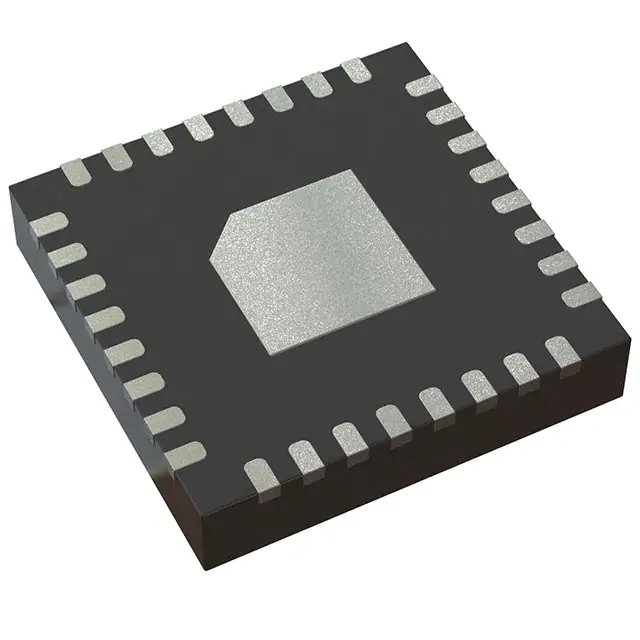 ADS1204IRHBT
Texas Instruments
-
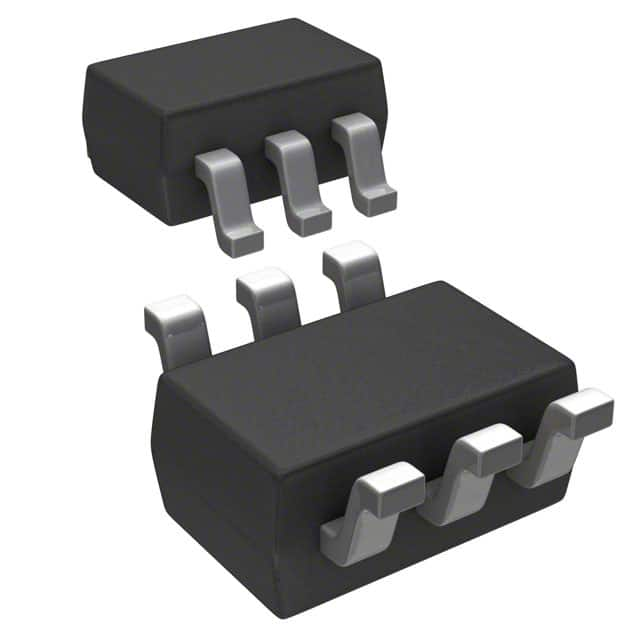 MCP4018T-104E/LT
Microchip Technology
-
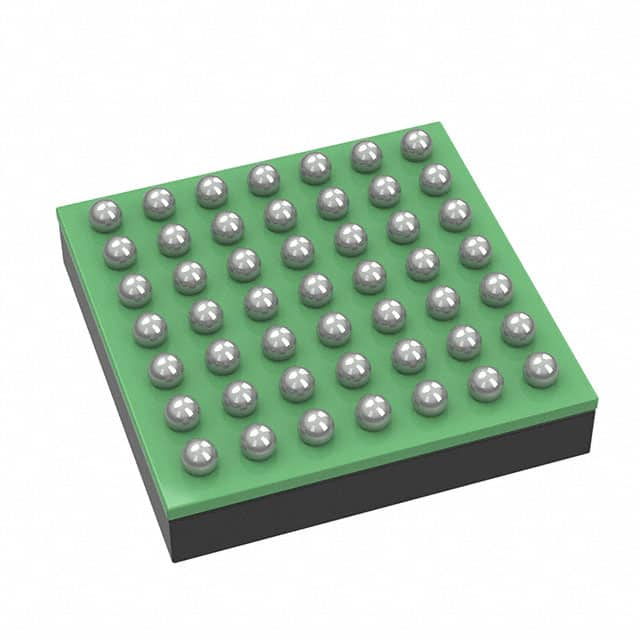 T4F49C2
Efinix, Inc.
-
.jpg) A40MX02-PLG44
A40MX02-PLG44Microchip Technology
-
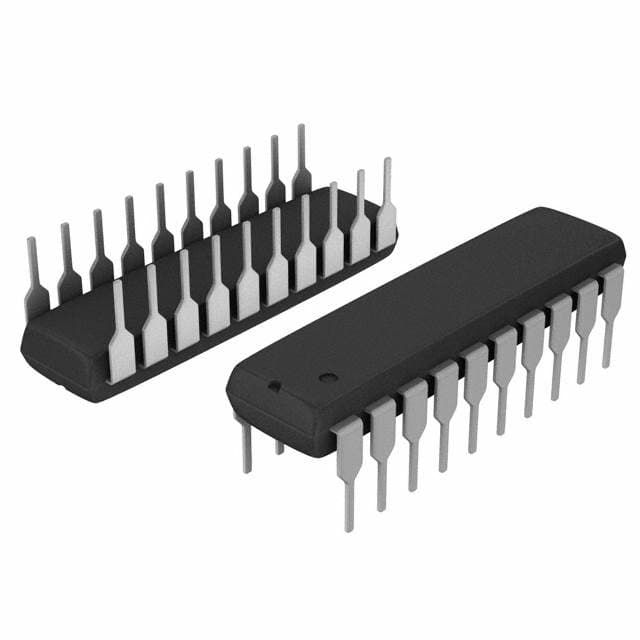 ATF16V8C-7PU
Microchip Technology
-
 SC-13048Q-A
GHI Electronics, LLC